Best time of year to replace a roof in New York
Late spring through early fall is the best time of year to replace a roof in New York, with September and October the sweet spot. Here's how to plan around NY winters.
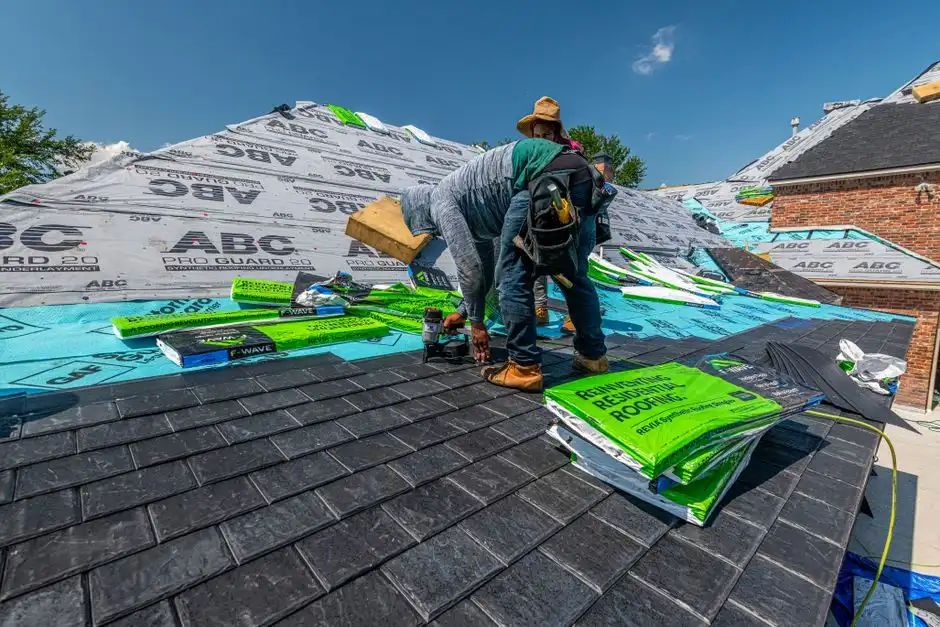
The best time of year to replace a roof in New York is late spring through early fall - roughly May through October - with September and October the single best window. Asphalt shingles, the most common roof cover in the state, need sustained temperatures above 45°F to seal properly, and New York only reliably delivers that from mid-spring to mid-autumn. If you are reading this in November, the practical answer is to book now for a spring install and address any active leaks with a repair in the meantime. This guide walks through the roof replacement season in New York month by month, what winter work actually looks like, and how to schedule around the state's freeze-thaw cycles.
The short answer: late spring through early fall
Roof replacement timing in New York comes down to two things: temperature and moisture. Shingle manufacturers spec their products to seal at 45°F and above. Below that, the adhesive strip on each shingle stays tacky but never bonds, which means the first 50 mph wind gust off Lake Erie or the Atlantic can lift tabs you just paid to install.
Here is the rough calendar we work from:
- May-June: Good. Temps are stable, but spring rain can push a two-day job to four.
- July-August: Workable, but crews start at 6 a.m. to beat 90°F afternoons. Shingles get soft and scuff easily underfoot.
- September-October: The sweet spot. Days in the 60s and 70s, low humidity, and enough daylight for a full tear-off and re-roof.
- November: A gamble. Early-month jobs often finish fine; late-month jobs risk a cold snap mid-install.
- December-March: Emergency-only for most roof types. See the winter section below.
- April: Transitional. Some years it works; some years you get a nor'easter on day two.
If you are planning ahead, aim for a September or early October start. If you are reading this in November 2026, call now to get on a spring 2027 schedule - good crews book out four to six weeks by March.
Why New York weather dictates the roof replacement season
New York sits in a climate band that punishes roofing work in ways warmer states never see. Buffalo averages around 95 inches of snow a year. Syracuse gets about 120. The Hudson Valley and Long Island deal with coastal wind and salt air. The Adirondacks and Catskills see freeze-thaw cycles that crack sealant and lift flashing.
Three weather factors control whether a roof replacement goes smoothly:
- Temperature at install. Asphalt shingles need 45°F+ to seal. Modified bitumen and EPDM flat roofing need 40°F+ for proper adhesion. Metal roofing can be installed colder, but sealants and butyl tape still need moderate temps to cure.
- Precipitation. You cannot tear off a roof and leave the deck exposed in a rainstorm. New York gets 40-50 inches of rain a year, plus snow. A dry three-day window is the minimum for a standard tear-off.
- Wind. Coastal Long Island and the Finger Lakes see sustained 20-30 mph winds. Anything above 25 mph and crews stop - shingles become sails.
That is why the roof replacement season New York homeowners actually get is narrower than the calendar suggests. You are not just looking for a free week. You are looking for a free week with the right temperature, no rain, and manageable wind.
For a closer look at how we handle these variables on specific roof systems, see our roof replacement in New York page.
What is the best season for roof replacement in New York?
Fall is the best season for roof replacement in New York. Specifically, the last two weeks of September through the third week of October. Here is why fall beats every other window:
- Temperature: 55-70°F daytime highs across most of the state. Shingles seal within 24 hours.
- Humidity: Lower than summer, so decking and underlayment dry faster if they get wet.
- Rain: September and October are among the driest months in Albany, Rochester, and New York City.
- Crew availability: Summer rush is over. You get better scheduling flexibility and often better pricing.
- Winter buffer: A fall install gives the roof three to four months to settle before the first hard freeze.
Spring is the second-best window, but it comes with a catch: April and May rain. A spring roof replacement in New York often stretches from a two-day job to a four- or five-day job because crews tarp and wait out showers. That is not a dealbreaker, but it affects scheduling and sometimes cost.
Roof replacement in spring vs fall in New York
Spring and fall are the two realistic windows for most New York homeowners. Here is how they compare on the things that actually matter.
Spring (April-June)
Pros: crews are fresh off winter, material prices are often stable, and you get the whole summer for the roof to cure before cold weather. Cons: rain delays are common, and April can still throw a 35°F morning that slows sealant curing. If you go spring, aim for late May or June.
Fall (September-October)
Pros: the driest, most temperature-stable window of the year. Shingles seal fast. Crews are less rushed. Cons: you are racing the first frost. A job that slips from mid-October to early November can run into 30°F nights, which means hand-sealing every tab - slower and more labor-intensive.
If you have a choice, fall wins. If your roof is actively leaking, spring is fine - just plan for weather delays and get a tarp on it now.
Homeowners across the state ask us this every year, and the answer does not change much by region. Whether you are dealing with lake-effect snow in roofing in Buffalo or coastal wind on Long Island, the September-October window is the one to target.
Can you replace a roof in winter in New York?
Yes, you can replace a roof in winter in New York, but it is slower, more expensive, and not every roof type is a good candidate. We do winter replacements when a roof has failed and waiting until spring would cause interior damage. Here is what changes:
- Shingles: We hand-seal every tab with roofing cement because the self-adhesive strip will not activate below 45°F. That adds roughly 20-30% to labor time.
- Flat roofing: EPDM and TPO can be installed in cold weather with the right adhesives, but torch-down modified bitumen becomes risky below 32°F.
- Metal roofing: Panels can be installed in cold, but sealants and butyl tape need to be kept warm until applied. We store them in heated trailers.
- Snow removal: If there is snow on the roof, it has to come off first. That is an added cost - typically $400-$900 depending on roof size and snow depth.
Winter roof replacement in New York also means shorter workdays. You lose daylight by 4:30 p.m. in December, so a job that takes two days in September can take three or four in January. If your roof can wait, wait. If it cannot, we will get it done safely.
How long does roof replacement take in New York?
A standard asphalt shingle roof replacement in New York takes one to three days for most single-family homes. Here is the breakdown:
- 1,500-2,000 sq ft ranch: 1-2 days
- 2,000-3,000 sq ft two-story: 2-3 days
- 3,000+ sq ft with complex rooflines: 3-5 days
- Steep pitch or multiple layers to tear off: add 1-2 days
Weather adds time. A rain delay in spring can push a two-day job to four. In fall, you usually get clean windows and the schedule holds. Winter adds 20-30% to labor time because of hand-sealing and shorter daylight.
Material also matters. A metal roofing in New York install typically takes longer than shingles - panels are custom-cut and each seam is fastened individually. Slate and tile take longer still. If you are comparing timelines, ask your contractor for a day-by-day schedule, not just a total.
Common mistakes when timing a roof replacement
We see the same scheduling errors every year. Avoiding them saves you money and stress.
- Waiting until the roof leaks to schedule. By the time water is coming through the ceiling, you are in emergency territory - which means winter pricing and limited crew availability.
- Booking in July and expecting a cool, easy job. July roof replacements in New York mean 90°F surface temps and crews starting at dawn. It works, but it is not comfortable and shingles scuff more easily.
- Assuming April is spring. April in upstate New York can still hit 30°F at night. Late May is the real start of the spring window.
- Ignoring the freeze-thaw calendar. New York gets 40-60 freeze-thaw cycles per winter in many regions. A roof installed in November may not fully seal before the first cycle hits.
- Not scheduling an inspection first. You cannot time a replacement until you know whether you need a full tear-off or just a repair. A roof inspection in New York takes an hour and tells you exactly what you are dealing with.
When to call a professional
Call a roofer when you see curling shingles, granules in the gutter, daylight through the attic deck, or a ceiling stain that grows after rain. Those are signs the roof is past repair and into replacement territory. Do not wait for spring if you are seeing active leaks - a $400 repair now can prevent a $4,000 interior repair later.
Roofnexa NY handles roof replacement, repair, and inspection across New York. We will tell you honestly whether you can wait for the fall window or need to act now. If you are in the city, we also cover roofing in Brooklyn and the surrounding boroughs.
Frequently Asked Questions
What is the best time of year to replace a roof in New York?
Late September through mid-October. Temperatures sit between 55°F and 70°F, rain is minimal, and shingles seal within 24 hours. Spring (late May-June) is the second-best window, but expect rain delays.
Can you replace a roof in winter in New York?
Yes, but it costs 20-30% more in labor and takes longer. Shingles must be hand-sealed below 45°F, and snow removal adds $400-$900. We only recommend winter replacement for active leaks or structural damage.
How long does roof replacement take in New York?
One to three days for most homes. A 1,500-2,000 sq ft ranch takes 1-2 days; a 2,000-3,000 sq ft two-story takes 2-3 days. Rain or winter conditions can add 1-2 days.
When should I schedule roof replacement in New York?
Book four to six weeks ahead for the fall window. If you want a September or October install, call by mid-August. For spring, call by March. Emergency replacements can usually be scheduled within a week.
How much does a roof replacement cost in New York in 2026?
Typical 2026 pricing for asphalt shingle replacement in New York runs $9,000-$18,000 for a standard single-family home, depending on size, pitch, and layers to tear off. Metal, slate, and tile run higher - $20,000-$60,000+.
Get help with roofing in New York
If your roof is due - or you are not sure - we will inspect it, tell you what it needs, and schedule the work for the right window. Call Roofnexa NY at (315) 503-7248 to book your inspection and get on the schedule before the fall rush.