Cracked or broken tiles after a storm
We replace cracked tiles with a matched profile and color, check the surrounding courses for damage, and reseal the flashing. Most small repairs are done in a single visit and cost a few hundred dollars.
Tile Roofing in New York is a long-life roof system that sheds snow, resists wind-driven rain, and holds its color for decades. Roofnexa NY installs and repairs clay, concrete, and slate tile on homes from Long Island to the Adirondack foothills. If your tile roof is cracked, leaking, or due for replacement, we inspect it, price it, and put a crew on it.
Tell us what is happening. Our local team will confirm your visit shortly.
Call Now (315) 503-7248 → No spam. No obligation. Just practical help.
Tile Roofing in New York is a roof assembly built from individual clay, concrete, or slate tiles laid over a reinforced underlayment and batten system. Each tile overlaps the next, so water runs down the roof instead of through it. Under the tile, we install ice and water shield at the eaves and valleys, then a secondary roofing felt or synthetic membrane across the field. That two-layer approach is what keeps a tile roof watertight when a nor'easter drives rain sideways for six hours.
New York roofs take a beating that tile handles better than asphalt. Freeze-thaw cycles crack lesser materials, and ice dams form at the eaves when attic heat melts snow that refreezes at the edge. Tile weighs more, lasts longer, and does not curl the way asphalt shingles do after ten winters. If you are weighing tile roofing cost in New York against a shingle replacement, the math usually favors tile over a 50-year horizon.
Every tile project is different, but these are the pieces we handle on a standard installation or replacement. If something falls outside this list, we tell you before we start and price it separately.
We remove the old roof down to the deck, haul away all debris, and magnet-sweep the yard for nails. Tear-off on a typical New York home takes one to two days.
We check the sheathing for rot and the framing for sag. Any soft spots get replaced before the new roof goes on, because tile weight will find a weak deck fast.
We install ice and water shield at the eaves, valleys, and around penetrations. This is the layer that stops ice dams from backing water under the tile in a New York February.
Synthetic underlayment covers the field, and battens go down to hold the tile courses. This gives the tile a flat, even base and lets air move under the roof.
Tiles are laid in courses, cut on site for hips and ridges, and fastened with roofing nails. New flashing goes in at chimneys, skylights, and sidewalls, sealed with exterior-rated caulk.
We install ridge vents and check intake ventilation so the attic breathes. Good airflow keeps the deck dry and stops the attic condensation that rots framing from the inside.
We walk the roof, check the deck for sagging, inspect flashing at chimneys and valleys, and measure square footage and pitch. You get a written scope with tile type, underlayment spec, and a fixed price. Most inspections take 45 to 90 minutes.
The old roof comes off down to the deck. We replace any rotted sheathing, sister in framing where needed, and check that the deck can carry tile weight, which runs 8 to 12 pounds per square foot. Tear-off on a typical 2,000-square-foot roof takes one to two days.
We roll out ice and water shield at the eaves and in valleys, then cover the field with synthetic underlayment. New roof flashing goes in at chimneys, skylights, and sidewalls. This is the layer that actually keeps water out, so we do not rush it.
Tiles go down in courses over battens, fastened with roofing nails sized for the tile profile. We cut hips and ridges on site, set ridge vents for attic airflow, and keep the chalk line tight so courses run true. A 2,000-square-foot tile roof takes four to seven working days.
We magnet-sweep the yard for nails, haul away all debris, and walk the roof with you. You get photos of the finished assembly, the underlayment, and the flashing details, plus a workmanship warranty in writing.
Purpose-built equipment, used by trained technicians — so the job is done accurately the first time.
Fastens tile and battens at the correct depth and angle so nails do not overdrive and crack the tile.
Strips old roofing and underlayment during tear-off without damaging the deck underneath.
Sets and lifts individual tiles during repairs and cuts in new flashing at chimneys and valleys.
Keeps tile courses straight and evenly spaced across the full roof, which matters on long slopes.
Gets crews safely onto steep tile pitches and keeps them tied off while they work.
Applies exterior-rated sealant at flashing joints, penetrations, and ridge caps.
Drives fasteners for vents, ridge caps, and flashing brackets where a nail gun will not reach.
A summer storm cracked 18 tiles across the south slope of a 1990s colonial. Water was staining the ceiling in the master bedroom, and the homeowner was worried the whole roof needed replacing.
We matched the tile profile and color, replaced the 18 cracked pieces, and rebuilt the flashing at the sidewall. The repair took one day and cost $850. The leak stopped and the ceiling stain was painted over after it dried.
A 1920s home had its original slate roof patched for years. The underlayment was failing, ice dams were forming every winter, and the homeowner was getting leaks in three rooms. The deck had two soft spots.
We tore off the old roof, replaced the soft sheathing, installed ice and water shield and synthetic underlayment, and laid new concrete tile in a slate profile. The job took six days and cost $38,000. Two winters later, no ice dams and no leaks.
A homeowner called in February with water coming through the ceiling at the exterior wall. The roof had no ice and water shield at the eaves, and attic insulation was thin, so heat was melting snow that refroze at the edge.
We installed ice and water shield at the eaves, added insulation to bring the attic up to code, and improved soffit ventilation. The fix cost $4,200 and stopped the leak. The next winter, no ice dams formed.
Tile roofs fail in predictable ways, and most of them start small. Here are the problems we see most often and how we handle them.
Ask a pro →We replace cracked tiles with a matched profile and color, check the surrounding courses for damage, and reseal the flashing. Most small repairs are done in a single visit and cost a few hundred dollars.
We install ice and water shield at the eaves, improve attic ventilation, and add insulation where it is thin. That combination stops the melt-refreeze cycle instead of just patching the leak.
We rebuild the flashing with new metal, seal it with exterior-rated caulk, and test it with a hose before we close up. Flashing repairs are one of the most common calls we get.
We clear the valleys, treat the moss, and check the underlayment for damage. If the membrane is still sound, a cleaning and treatment is all it needs.
“We had three cracked tiles and a leak over the garage after a storm. Roofnexa NY matched the tile color perfectly and fixed the flashing in one afternoon. The leak is gone and you cannot tell where the repair was. Price was fair and they cleaned up every nail.”
Dan R.Homeowner, Merrick
✓ Verified“Our 1920s house needed a full tile replacement. The crew explained the underlayment and ice shield layers in plain terms and showed me photos at each stage. It took six days and the yard was spotless when they left. Two winters in, no ice dams, no leaks.”
Priya S.Homeowner, Ithaca
✓ Verified“I manage several rental properties and use Roofnexa NY for tile repairs. They respond fast, give a clear price before starting, and do not try to upsell a full replacement when a repair will do. That honesty is why I keep calling them.”
Tom M.Property Manager, Staten Island
✓ VerifiedMost full tile roof installations in New York run $12 to $25 per square foot installed, or roughly $24,000 to $50,000 for a 2,000-square-foot roof. Clay and slate sit at the top of that range; concrete tile sits lower. Repairs are far cheaper, often $300 to $1,200 for a small section. Steep pitch, multiple stories, and complex flashing add to the total.
Clay and slate tile roofs last 50 to 100 years in New York, and concrete tile runs 40 to 60 years. The tile itself usually outlives the underlayment, which is why we install a high-grade ice and water shield and synthetic membrane underneath. Plan on the underlayment being the first thing to need attention, often at the 25 to 30 year mark.
Concrete tile is the best all-around choice for most New York homes. It handles freeze-thaw cycles, costs less than clay, and comes in profiles that mimic slate. Clay tile is excellent on historic and high-end homes but is more brittle in hail. Slate is the longest-lasting option and the heaviest, so it needs a deck that can carry it.
Roofnexa NY repairs tile roofs across New York, from single cracked tiles to full valley and flashing rebuilds. We match tile profile and color, replace broken pieces, and reseal flashing with a caulking gun rated for exterior use. Call (315) 503-7248 and we will schedule an inspection, usually within a few days.
Roofnexa NY delivers tile roof installation, repair, and replacement across New York State. Our crews stage out of multiple locations so we can reach most job sites within a day, whether you are on Long Island, in the Capital Region, or out in the Southern Tier.
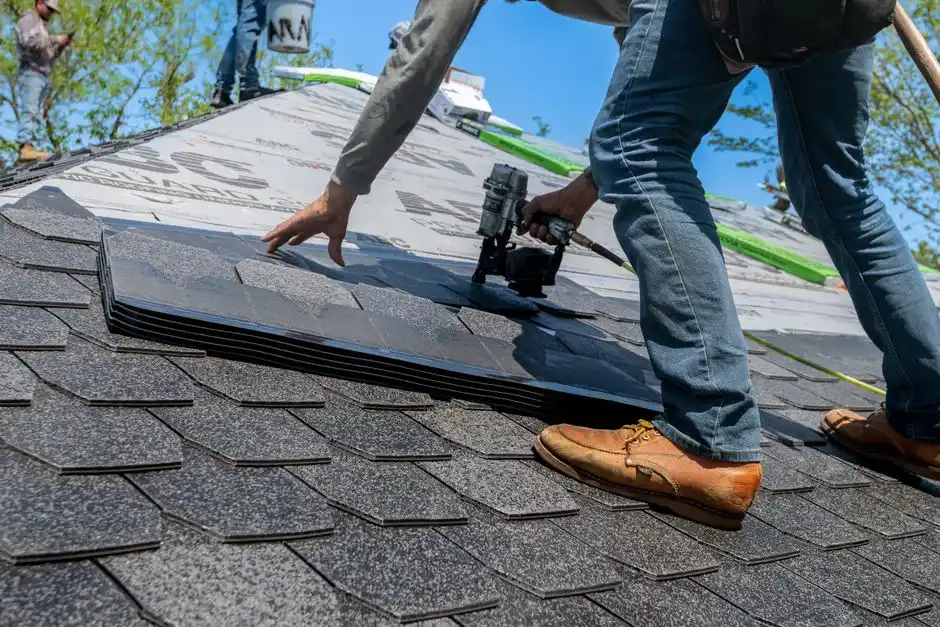 Roof InstallationNew tile roofs start with a proper installation. We build the deck, underlayment, and batten system from scratch so the tile has a base that lasts as long as the tile does.Explore →
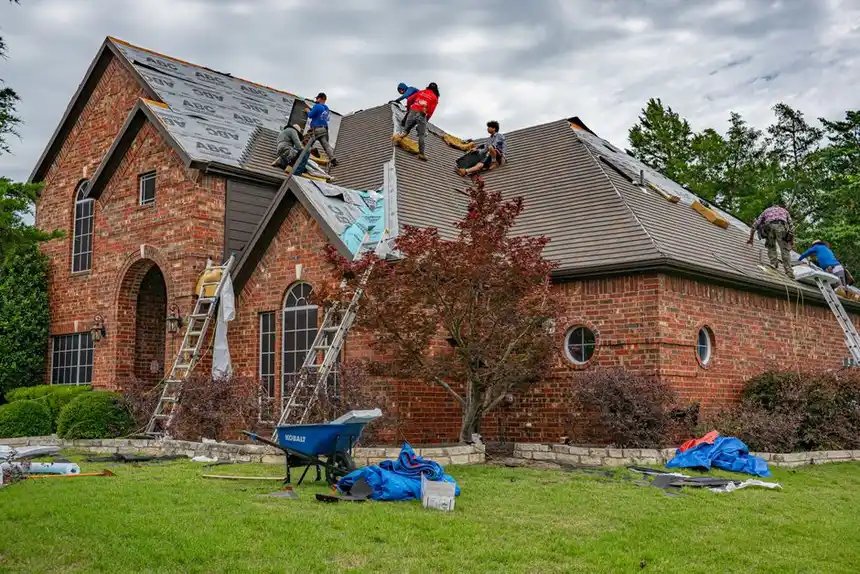 Roof ReplacementWhen tile repair no longer makes sense, we tear off the old roof and install a new tile system. We handle deck repair, flashing, and ventilation in one project so nothing is left half-done.Explore →
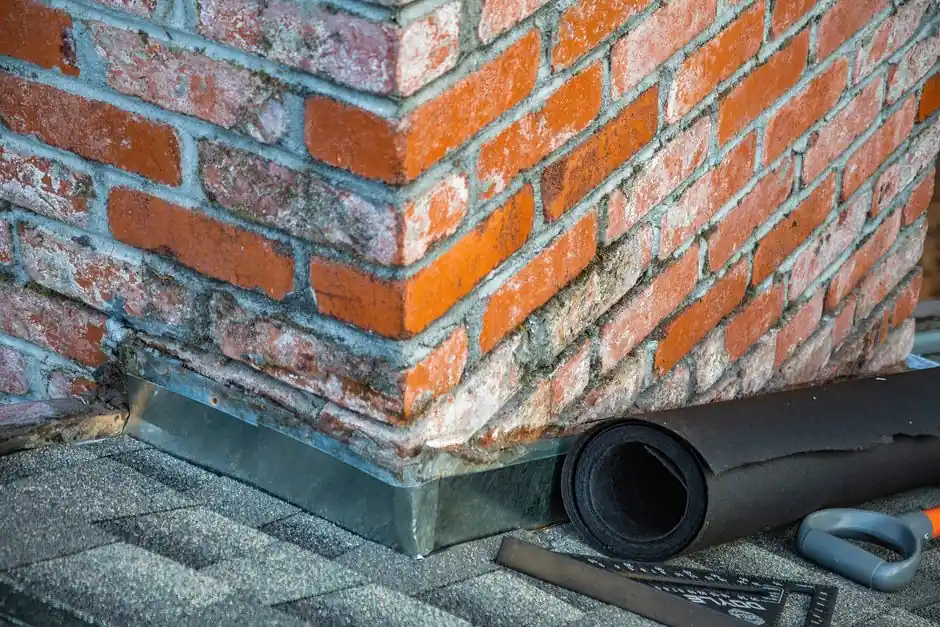 Roof RepairCracked tiles, failed flashing, and leaks around chimneys are common on New York tile roofs. We diagnose the source, replace damaged pieces, and reseal the assembly so the repair holds.Explore →
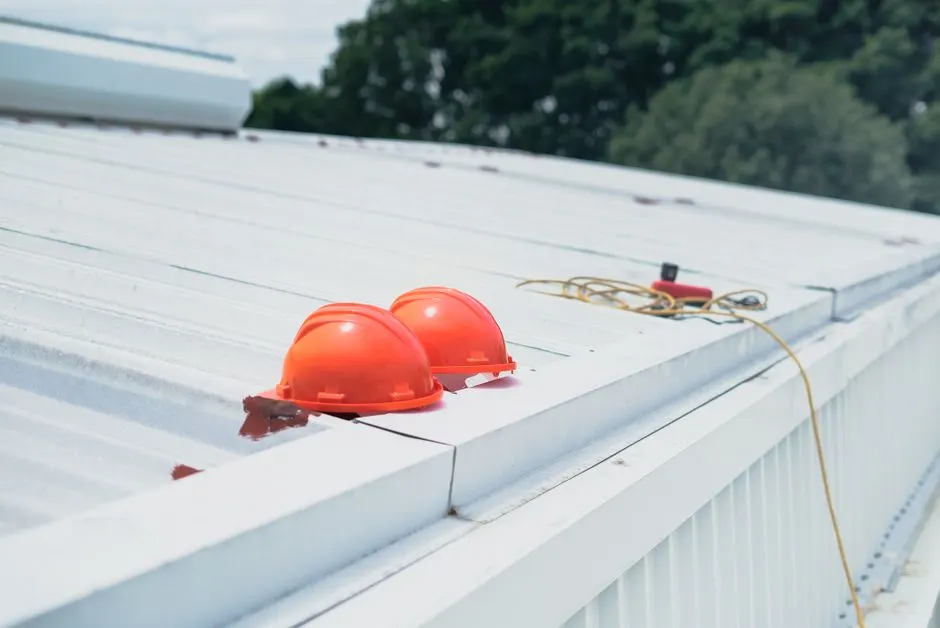 Roof InspectionA tile roof inspection catches cracked tiles, lifted flashing, and underlayment wear before they become leaks. We check the deck, the membrane, and the attic for signs of water intrusion.Explore →
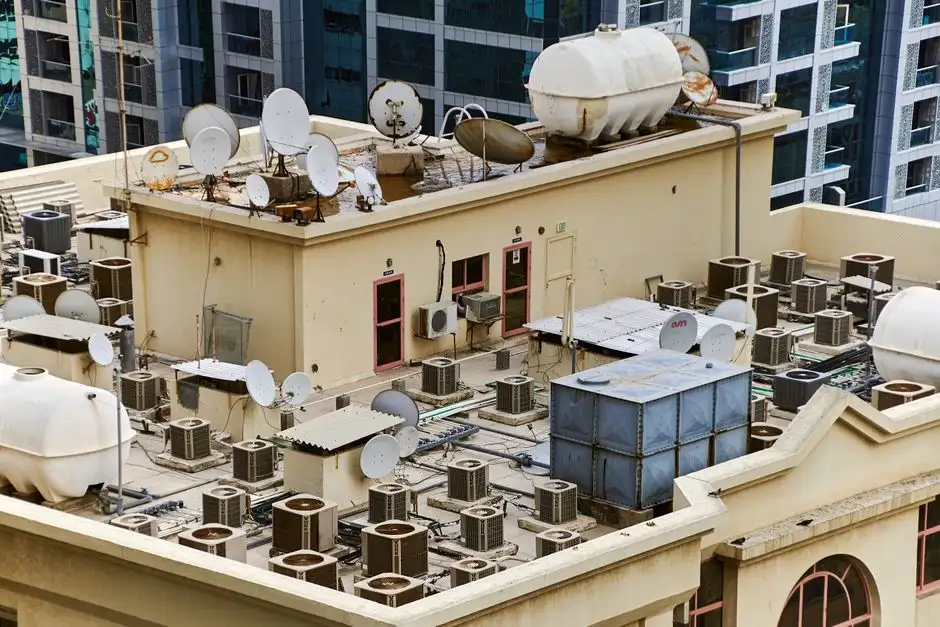 Roof MaintenanceAnnual maintenance keeps a tile roof in service for decades. We clear debris from valleys, check ridge vents, and reseal flashing so small issues do not turn into a full replacement.Explore →
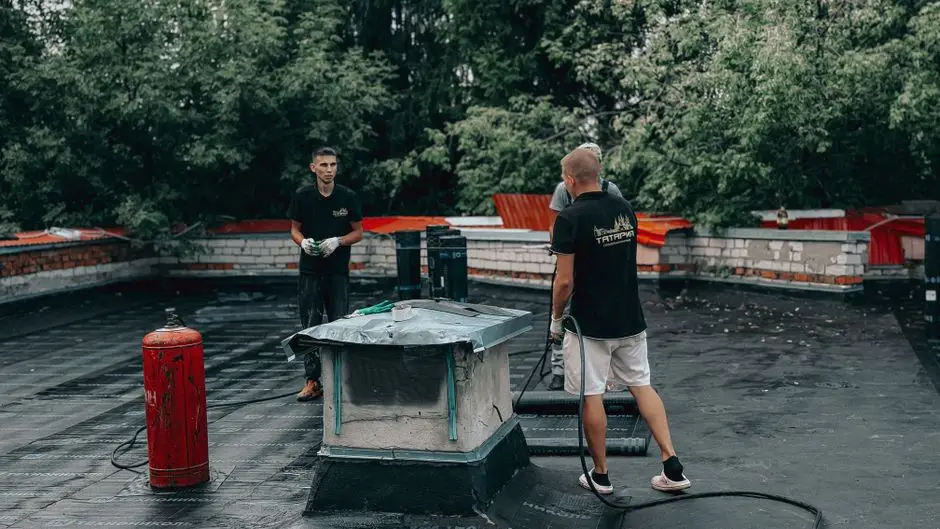 Flat RoofingMany New York homes have a flat or low-slope section alongside the pitched tile roof. We install and repair flat roofing so the two systems meet cleanly at the transition.Explore →
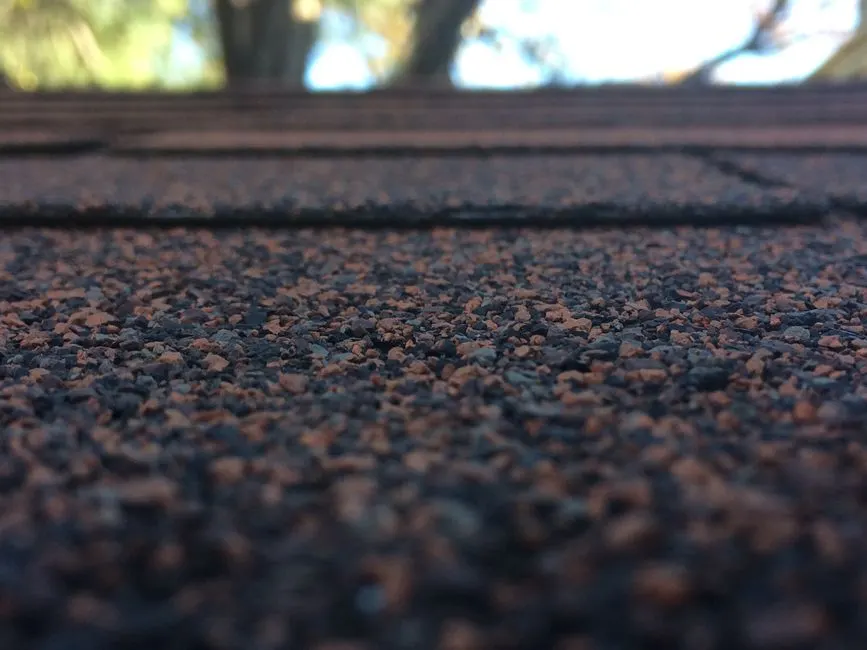 Shingle RoofingIf tile is not the right fit for your budget or roof structure, we install asphalt shingles from GAF, Owens Corning, and CertainTeed. It is a lighter, lower-cost option with a shorter lifespan.Explore →
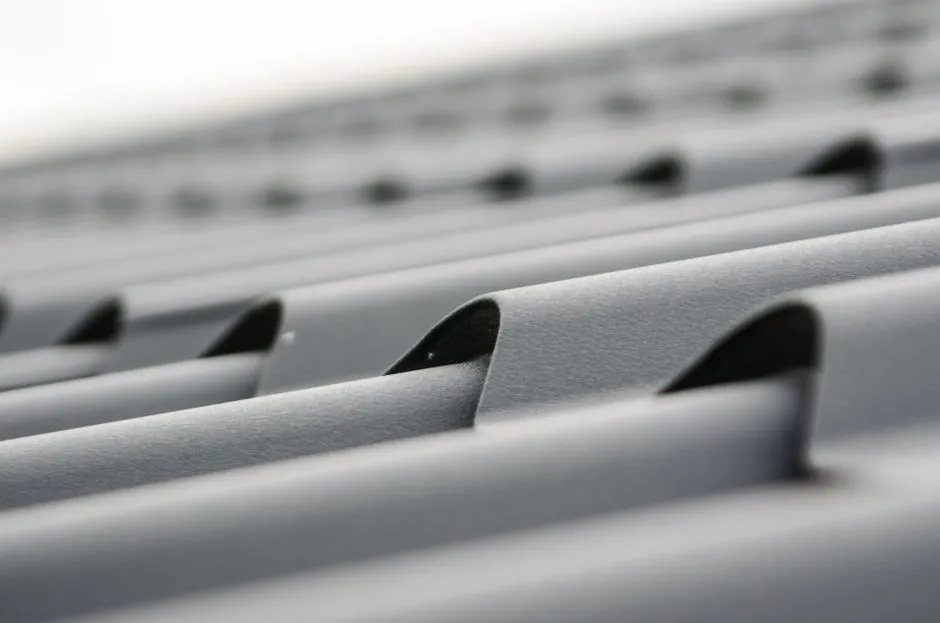 Metal RoofingMetal roofing panels are another long-life option for New York homes. They shed snow well and weigh less than tile, which can matter on older framing that cannot carry tile weight.Explore →
Call Roofnexa NY at (315) 503-7248 for a same-day estimate on tile roof installation, repair, or replacement anywhere in New York. We are licensed, insured, and we show up when we say we will.
Get a Free Estimate (315) 503-7248 →Call (315) 503-7248 or email info@roofnexany.com and we will schedule a free inspection at your property. We answer the phone 24/7 for emergencies, and standard estimates are booked within two business days. Tell us your address and what you are seeing, and we will tell you what it takes to fix it.