How to Prepare Your Roof for a New York Winter
New York winters punish neglected roofs. Here is the exact fall checklist we use to prevent ice dams, leaks, and snow damage before the first freeze.
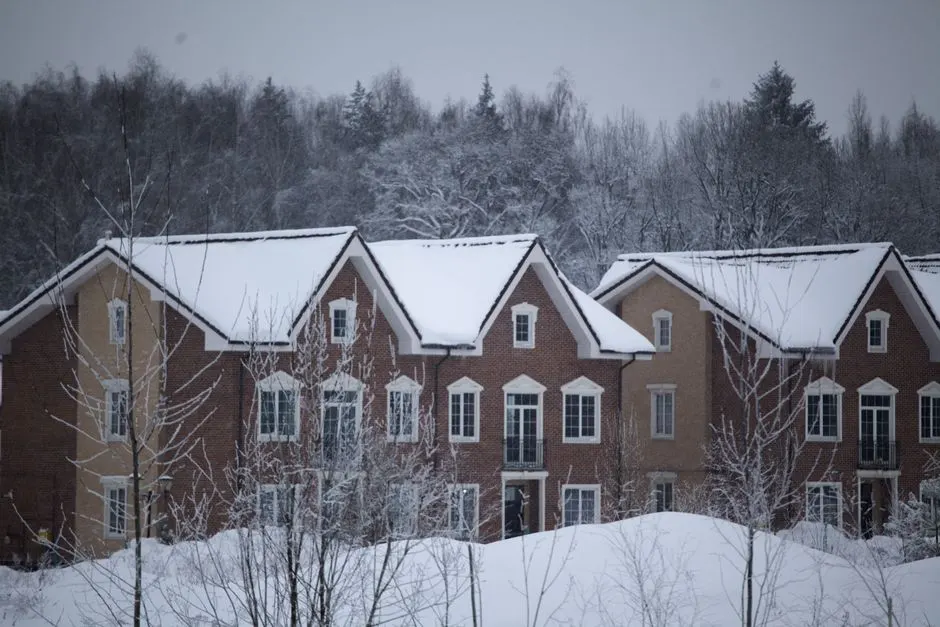
You prepare your roof for a New York winter by clearing all debris from the roof surface and gutters, sealing any flashing or shingle damage, checking attic insulation and ventilation, and scheduling a professional inspection before the first hard freeze. Do this between late September and early November, while temperatures are still above 40°F and roofers can work safely. Everything below is the same sequence our crews run on homes across New York, from Buffalo lake-effect zones to Long Island sound-side neighborhoods.
Winter roof preparation in New York is not a single task. It is a system of small jobs that, done together, keep meltwater moving off your roof instead of backing up under your shingles. Miss one and the others matter less.
Why New York Winters Are Hard on Roofs
New York roofs face a freeze-thaw cycle that most of the country never sees. A typical winter in Syracuse or Rochester delivers 100+ inches of snow and dozens of days where the roof surface warms above freezing at noon and drops to 15°F by midnight. That expansion and contraction works nails loose, opens seams, and drives water into places it should never reach.
Add lake-effect snow bands off Lake Erie and Lake Ontario, nor'easters along the coast, and ice storms in the Hudson Valley, and you have three different failure modes hitting the same roof. Coastal homes deal with wind-driven rain and salt air. Inland homes deal with snow load and ice dams. The Adirondacks and Tug Hill get both.
What makes this worse is that most New York housing stock is old. A 1920s Buffalo two-flat or a 1950s Queens cape has a roof deck that has already been through 70 or 100 winters. Small vulnerabilities that stayed dry all summer become leaks the first time water sits on them and freezes.
When Should You Start Preparing Your Roof for Winter in New York?
Start in late September and finish by the first week of November. That window gives you dry, above-freezing days for inspection and repair, and it puts you ahead of the December rush when every roofing company in New York is booked out two to three weeks.
Here is the rough timing we recommend by region:
- Western New York (Buffalo, Rochester): finish by mid-October. Lake-effect season can start in early November.
- Central New York (Syracuse, Utica): finish by late October. Snow belt areas see measurable accumulation by Thanksgiving.
- Capital Region and Hudson Valley (Albany, Poughkeepsie): finish by early November.
- Downstate (NYC, Long Island, Westchester): finish by mid-November. Coastal storms arrive later but hit harder.
If you are reading this after the first snowfall, you have not missed your window entirely. You can still clear gutters on a warm day, and you can absolutely schedule a roof inspection in New York to catch problems before they become spring leaks.
The Fall Roof Maintenance Checklist for New York Homeowners
Fall roof maintenance in New York before winter comes down to five categories: debris, drainage, seals, insulation, and structure. Work through them in that order.
1. Clear the roof surface
Leaves, pine needles, and acorns pile up in valleys and behind chimneys. Once wet, they hold moisture against the shingles for weeks. On a 1,800 sq ft roof, a single fall drop from a mature oak can leave 30 to 50 pounds of debris sitting in the same spot all winter.
Use a leaf blower on low or a soft-bristle roof rake. Never pressure-wash asphalt shingles. You will strip the granules and shorten the roof's life by years.
2. Clean the gutters and downspouts
Clogged gutters are the number one cause of ice dams in New York. Water that cannot drain backs up under the shingle course, freezes, and expands. Clear every run, then flush the downspouts with a hose and confirm water exits at least 4 to 6 feet from the foundation.
3. Inspect and seal flashing
Flashing around chimneys, skylights, vents, and valleys is where most winter leaks start. Look for lifted edges, cracked sealant, and rusted step flashing. A $15 tube of roofing sealant applied in October can prevent a $1,500 ceiling repair in February.
4. Check attic insulation and ventilation
Your attic should be cold in winter. If warm air from the house escapes into the attic, it heats the roof deck from below, melts snow, and refreezes at the eaves. That is how ice dams form. Aim for R-49 to R-60 insulation in New York attics and confirm soffit and ridge vents are not blocked by insulation or stored boxes.
5. Look for structural warning signs
Sagging roof lines, cracked rafters in the attic, and daylight showing through the roof deck are all signs the structure is already compromised. Do not wait for snow load to find out. If you see any of these, call for roof repair in New York before the first storm.
How to Prevent Ice Dams on Your New York Roof
You prevent ice dams by keeping the roof deck cold: seal air leaks into the attic, add insulation to R-49 or higher, and make sure soffit and ridge vents move air freely. Ice dams form when heat escapes the house, warms the upper roof, melts snow, and the meltwater refreezes at the cold eaves.
Three things actually work, in this order of impact:
- Air sealing. Seal every penetration into the attic - light fixtures, bath fans, wiring holes, the attic hatch. This is the cheapest and most effective step.
- Insulation. Bring attic insulation up to R-49 minimum. Most New York homes built before 1990 are at R-19 or less.
- Ventilation. Confirm you have at least 1 sq ft of net free vent area per 150 sq ft of attic floor, split between intake (soffit) and exhaust (ridge or gable).
Heat cable and ice-and-water shield underlayment help, but they are backups. If your attic is warm, no amount of cable will stop the dam.
Roof Snow Damage Prevention in New York: What Actually Works
Roof snow damage prevention in New York comes down to managing load and managing meltwater. Most residential roofs in the state are built for 30 to 50 psf ground snow load, which translates to roughly 20 to 30 inches of settled snow on the roof. Wet, dense snow weighs about 20 pounds per cubic foot. Ten inches of that is 200 pounds sitting on every 10 sq ft of roof.
What to do:
- After any storm that drops more than 12 inches, use a roof rake with a long handle to pull snow off the lower 3 to 4 feet of the roof. Never climb onto a snow-covered roof.
- Keep the first 3 feet above the gutter clear so meltwater has somewhere to go.
- Do not chip ice with a hammer or axe. You will puncture the shingles and create the leak you were trying to avoid.
- If you have a flat roof, clear drains and scuppers after every storm. Ponding water that freezes can crack a membrane in one night.
If your roof is flat or low-slope, our team handles flat roofing in New York and can check the drainage system before winter locks it in.
Common Mistakes New York Homeowners Make Before Winter
The same five mistakes show up on almost every winter-damaged roof we inspect in New York.
- Waiting until the first freeze. Sealants do not cure below 40°F. Repairs done in December often fail by January.
- Ignoring small leaks. A stain on the ceiling in October is a soaked insulation batt in February and a mold problem by April.
- Adding attic insulation without air sealing. More insulation over an unsealed attic hatch does almost nothing. Seal first, insulate second.
- Using the wrong snow removal tools. Metal shovels and ice picks destroy shingles. Use plastic roof rakes only.
- Skipping the professional inspection. Most winter roof failures we see were visible in October to anyone who knew what to look for.
If you are not sure whether your roof is ready, a roof tune up New York in the fall costs a fraction of what a mid-winter emergency repair runs.
When to Call a Professional
Call a professional if you see any of the following: missing or curling shingles, granules collecting in your gutters, water stains on attic rafters or ceiling drywall, daylight visible through the roof deck, or a roof older than 20 years heading into another New York winter.
Our team at Roofnexa NY handles fall inspections, gutter clearing, flashing repair, and full winterization for homeowners across New York. We find the problem, fix it, and confirm the roof is ready before we leave. If your roof has never been inspected, this is the year to start.
We work across all five boroughs and upstate - from roofing in Brooklyn brownstones to roofing in Buffalo lake-effect homes. The prep is different for each, and we know both.
Frequently Asked Questions
How do I prepare my roof for winter in New York?
Clear debris, clean gutters and downspouts, seal flashing, check attic insulation and ventilation, and schedule a professional inspection. Do this between late September and early November, while temperatures are above 40°F. Total cost for a typical single-family home runs $250 to $600 for the maintenance work, plus $150 to $400 for the inspection.
What should I do to my roof before winter in New York?
At minimum, clear the roof surface and gutters and inspect for damaged shingles or flashing. If your roof is over 15 years old or you have seen any leaks, add a professional inspection. Budget 4 to 6 hours of your own time for the DIY portion on a 1,500 to 2,000 sq ft roof.
How do I prevent ice dams on my roof in New York?
Seal air leaks into the attic, insulate to R-49 or higher, and confirm soffit and ridge vents are open. Ice dams are a heat problem, not a snow problem. Heat cable helps at the eaves but does not fix a warm attic. Most homes need $800 to $2,500 in air sealing and insulation work to solve it properly.
When should I schedule roof maintenance before winter in New York?
Book your fall maintenance in September or early October. By mid-November, most New York roofing companies are booked two to three weeks out, and cold-weather repairs cost more and last less. If you miss the window, schedule for the first thaw in March instead of forcing a December repair.
How much snow can a New York roof hold?
Most New York residential roofs are engineered for 30 to 50 psf ground snow load, which is roughly 20 to 30 inches of settled snow. Wet snow weighs about 20 pounds per cubic foot. After 12 inches of accumulation, clear the lower 3 to 4 feet with a roof rake to reduce load and prevent ice dams.
Get Help With Roofing in New York
Winter is coming whether your roof is ready or not. If you want it done right the first time, call Roofnexa NY at (315) 503-7248 and we will schedule your fall inspection and winterization this week.
We serve homeowners across New York with roofing in New York - inspections, repairs, maintenance, and full replacements - and we will tell you honestly what your roof needs before the first freeze.